Studio Apartment Zoning: Separating "Work" From "Home" in One Room
Without a door to close, your brain needs other signals that work has ended. Here's how to build that separation with sightlines, sound, and light instead of walls.

Why zoning matters psychologically
Research on context-dependent associations suggests that working in the same physical spot you sleep or relax in can blur the cues your brain uses to switch between "on" and "off" states. You don't need a wall to fix this — you need a consistent set of sensory differences between the two zones: different light, different sound, different sightline.
Visual dividers that don't need permits
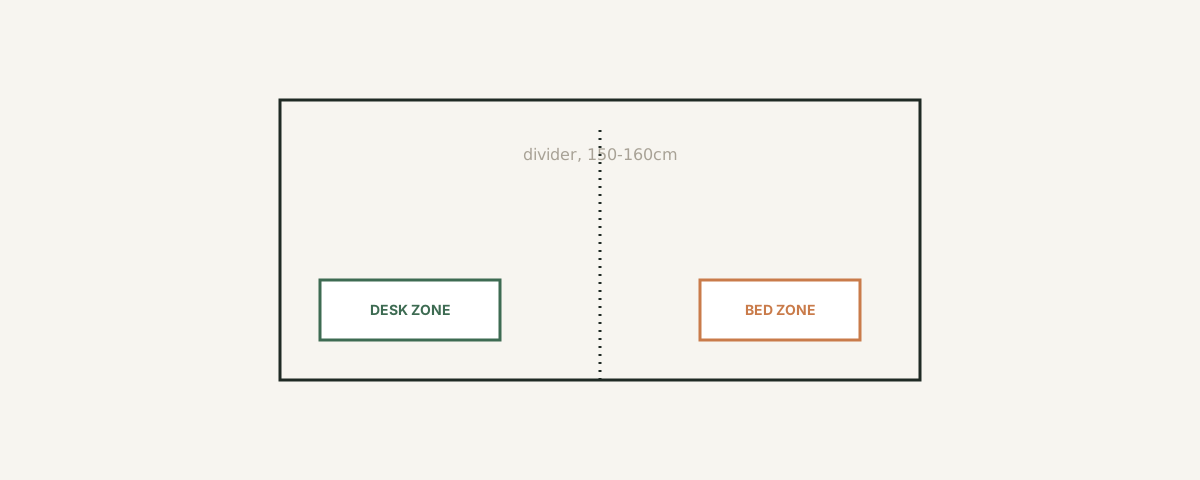
A room divider doesn't have to reach the ceiling to work as a visual cue. A bookshelf or screen at 150-160cm tall — roughly seated eye-level — blocks the direct sightline between a desk and a bed without making the room feel boxed in the way a floor-to-ceiling partition would.
| Divider type | Typical height | Footprint needed |
|---|---|---|
| Open bookshelf | 150-180cm | 25-35cm deep |
| Folding screen/room divider | 150-170cm | 2-3cm folded |
| Curtain on ceiling track | Floor to ceiling | Near-zero floor footprint |
Acoustic zoning on a budget
Sound separation matters more than people expect, especially for video calls. A rug under the desk area (minimum 120cm × 160cm to cover the chair's rolling radius) reduces both footstep noise and echo from hard flooring. Combined with a few soft furnishings — a single fabric panel or thick curtain behind the desk — this measurably reduces the "boxy" echo that hard-surfaced studio apartments tend to have on calls.
Lighting as a boundary signal
Use a light source that exists only in the work zone and gets switched off at the end of the day — a desk lamp rather than the room's main overhead light. This creates a clear, repeatable visual signal that work has ended, which is also central to the shutdown routine covered in our shutdown ritual guide.
How do you know if it's working?
One honest test: can you comfortably see your bed from your desk chair without turning your head? If yes, your zones aren't visually separated yet. Even a freestanding plant or a low shelf positioned at seated eye level is usually enough to break that sightline.
Minimum distance from the sleeping area
Where layout allows, aim for at least 2m between the desk and the bed — enough that the desk isn't within arm's reach while lying down, which is the single biggest practical predictor of late-night "just checking email" behavior. If the room is too small for that distance, prioritize the visual divider over the distance itself; sightline blocking does most of the psychological work.